

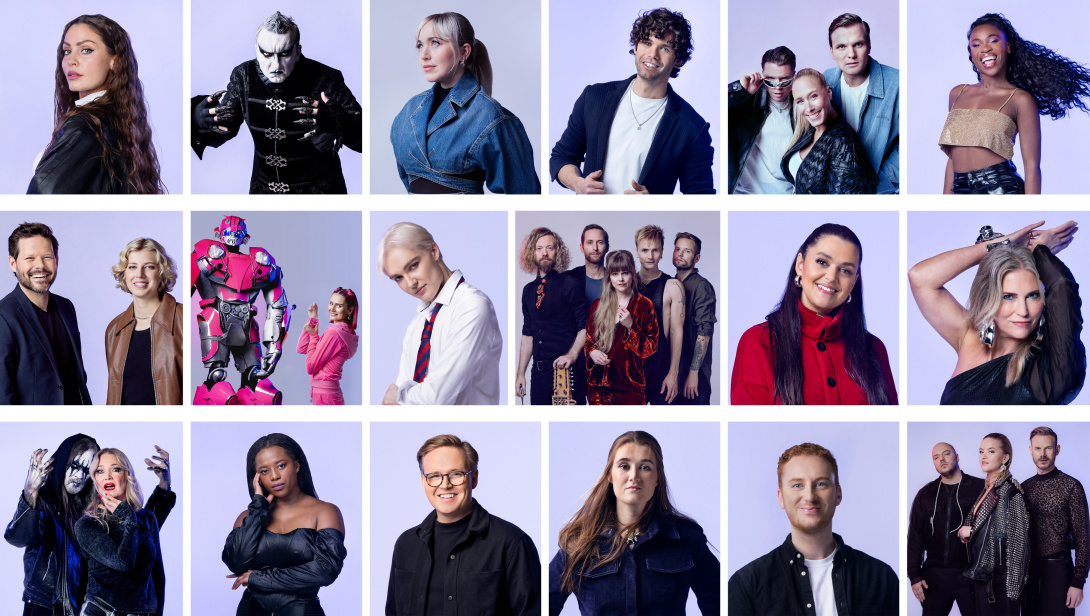
For many, Melodi Grand Prix heralds the start of the Eurovision season as it kicks off a whole host of national finals due to take place over the next three months. Callum Rowe looks at some not-so obvious headlines from the launch of the 2024 edition.
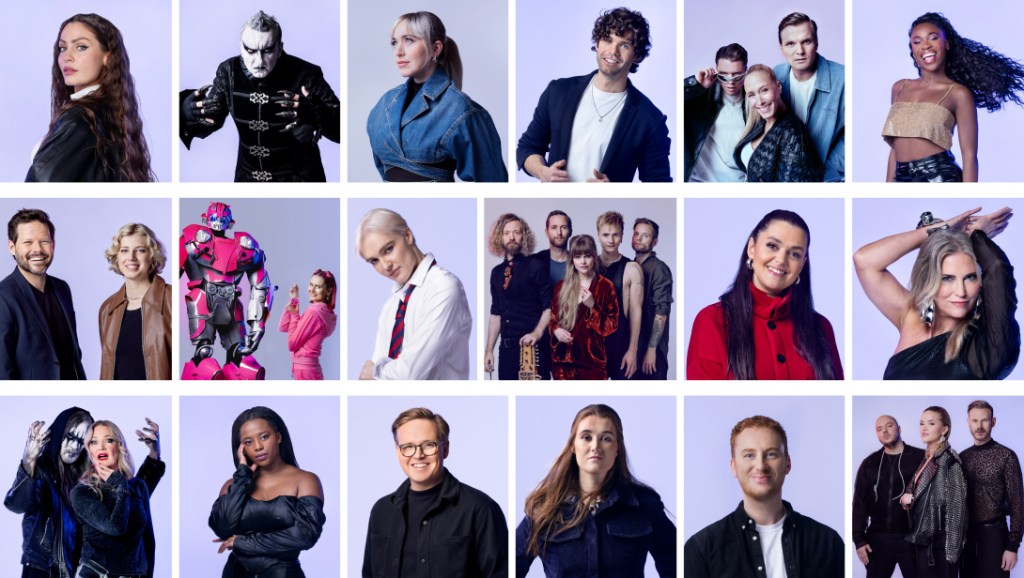
Having three previous Eurovision acts and four other Melodi Grand Prix alumni sure makes for good SEO headlines. But beyond the headlines is a depth of talented names and interesting subplots that ensure Melodi Grand Prix is, once again, a glorious fixture in the Eurovision calendar.
2023 winner returns
Melodi Grand Prix 2023 winner Alessandra made some teasing noises on social media in the last few days about returning to the competition this year with the song Narcissist, released on the same day as the launch of Norway’s national selection. Ultimately, she didn’t appear through the fog at the launch show in Oslo (although I’m sure we’ll see her in the Trondheim Spektrum in a few weeks’ time).
Aside from Alessandra, Linda Dale also won Melodi Grand Prix last year, but as part of the songwriting team for Queen of Kings. The song that triumphed last year was Dale’s first contribution to the competition, and she’s attempting to kick on with Mathilde SPZ ft. Chris Archer & Slam Dunk. The trio’s song, Woman Show, is hardly a Queen of Kings copycat, but it is electrified and synth-filled to the brim. Chris Archer also made it to the final of Melodi Grand Prix in 2023 as a writer of Ekko inni meg by Jone.
Who’s that behind the mask?
Saying that AI is part of Melodi Grand Prix isn’t as much of a misleading statement as it might read. Erika Norwich took part in the first multi-show Melodi Grand Prix in six years back in 2020, but was a beaten semi-finalist. Now she’s back, accompanied by a three-metre-tall robot called Super Rob who bizarrely has a songwriting credit on My Ai.

The song is far from conventional, as Norwich sings about Super Rob as if he’s the love of her life.
Rumours of Gaute Ormåsen’s involvement may not be wide of the mark. Partial to a mask, Ormåsen is a regular attendee of Melodi Grand Prix songwriting camps, and at one is where My AI was conceived.
Margaret Berger’s 180
Margaret Berger’s fourth place result at Eurovision 2013 was the rebirth of Norway’s success at Eurovision after a few lean years in the early 2010s. Afterwards, she seemed to have turned her back on Melodi Grand Prix and Eurovision, with one Eurovision-focussed media outlet being told in early 2021 by her management that she had “moved on with her career”.

The real motivation for her return isn’t clear, although she joked during the press conference at NRK headquarters that Eurovision being held in Malmö fuelled her ambition to return.
60/40 voting split
This was known a little in advance of the artist reveal, but the winner of Melodi Grand Prix will be decided by a 60/40 voting split, weighted in favour of the public televote.
Stig Karlsen, NRK’s Melodi Grand Prix and Eurovision chief, is a vocal advocate of the public having more of a say in deciding Eurovision winners. It’s not hard to see why – in the six Grand Finals Norway has reached under Karlsen’s reign, the country has received just 332 points from the juries, while televoters have given it 826 points.
I’m not sure the best way to win favour with Eurovision juries is by selecting a song in a national final where the public have more of a say than international juries.
Norway’s tolerance could be tested
Mileo is an Australian-Norwegian singer-songwriter debuting in Melodi Grand Prix this year. It’s a one-man show as You’re Mine was penned single-handedly by Mileo himself.
The surprise at the press conference was that Mileo spoke to hosts Marion Ravn and Fredrik Solvang in English, not Norwegian.
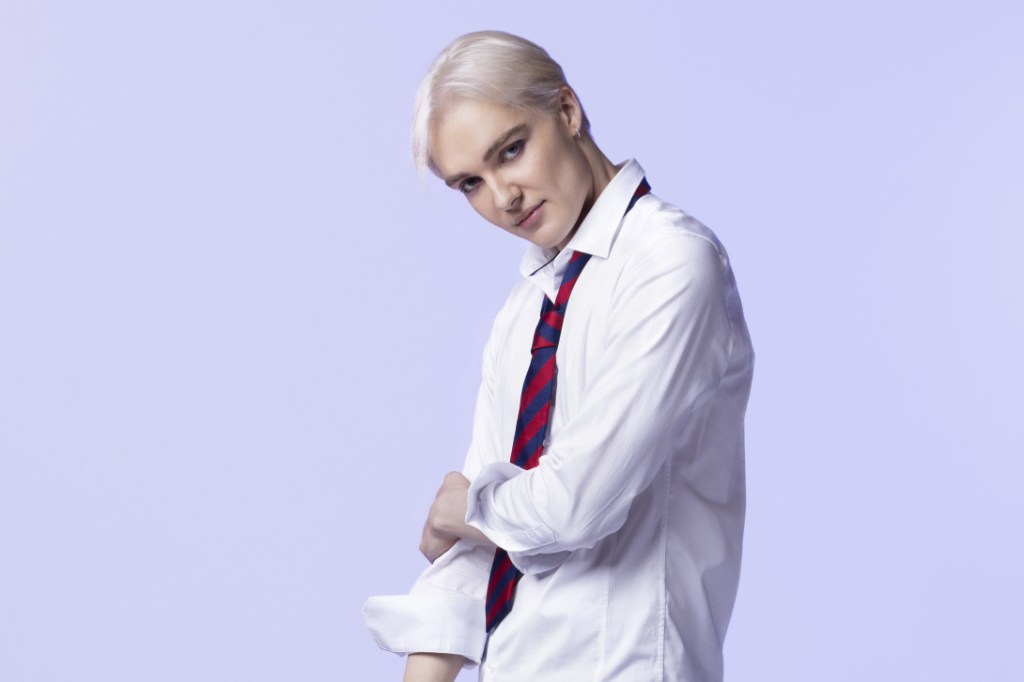
Norwegian viewers have the opportunity to show more tolerance than Danish viewers did back in 2016. Anja Nissen is an Australian-Danish singer who was an international fan favourite to win Dansk Melodi Grand Prix, but negative discourse took over in Denmark. Nissen couldn’t conduct herself in Danish and she didn’t win favour with the public. She lost out in a very competitive competition to Lighthouse X. She returned 12 months later in a weaker competition and managed to win, but not before putting in the hard yards to convince the public she deserved her chance to fly the Dannebrog.
 About The Contest