


Whether you like it or not, Sweden has been the all-conquering force in the Eurovision Song Contest in the last decade. Together with Swedish experts, Callum Rowe investigates how the country has reached its position of dominance.
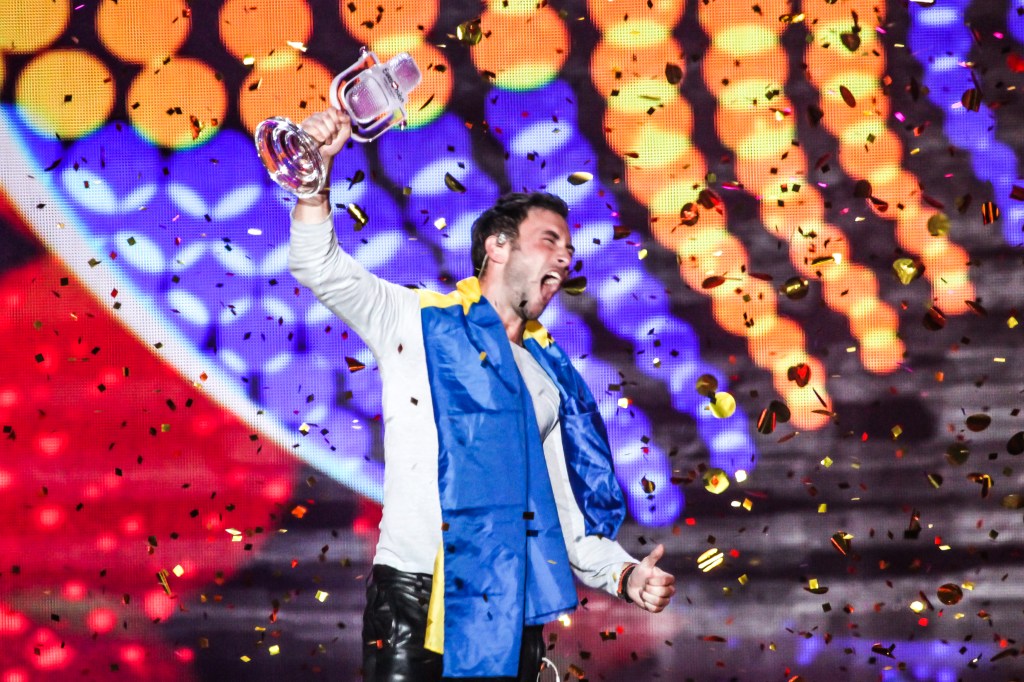
Loreen’s two Eurovision victories and Måns Zelmerlöw’s triumph are the high points for Swedish broadcaster SVT at the contest in recent years, but even its lows would be highs for other broadcasters and countries.
You have to go back to 2002 to be able to truly retrace the steps Sweden and broadcaster SVT took to achieve its recent decade of dominance. When Sweden hosted Eurovision in 2000 following Charlotte Perrelli’s victory in 1999, Svante Stockselius led SVT’s team as the contest’s Executive Producer. His work was praised universally and he accepted the gig of modernising Melodifestivalen which was waning in popularity at the time.
Stockselius completely overhauled the show by: expanding the format from one show to six, introducing a nationwide tour, allowing performers to sing in any language, and commissioning the release of a compilation CD of the competing songs. Stockselius also drafted in Christer Björkman to work alongside him to coax artists into competing. Sweden’s 1992 Eurovision representative and Melodifestivalen winner had grown tired of the competition in the late-90s and was a vocal critic of it in a regular newspaper column, but from 2002, he was able to put right what he thought was wrong.
“Christer is the single most important person to the success of Melodifestivalen and Eurovision. He is a genius.”
Gustav Dahlander
The Melfest rebrand wasn’t an immediate success; viewing figures year-on-year were lower in 2002. And it took until 2004 (4.1 million viewers) before viewership reached the heights of the pre-revolutionised 2001 competition which saw 3.84 million viewers tune in.
Although it was Stockselius who crafted the formation of modern Melfest, Björkman is considered more impactful. “Christer is the single most important person to the success of Melodifestivalen and Eurovision. He is a genius,” Melodifestivalen journalist and expert Gustav Dahlander says. Melodifestivalen expert and photographer Daniel Stridh agrees: “None of what we’ve achieved would have been possible without Chirster’s drive and passion to get Sweden to win.”
Björkman continued his work throughout the 2000s before stepping up as a producer in 2007, and then as the show’s Executive Producer in 2013. And it was between those years when Melfest evolved into the beast it remains as today. In 2009, an international jury was introduced for the first time, before an expansion in 2010 with six international jury groups to complement the national juries. By 2011, national juries were eradicated and replaced totally by international jury groups working alongside the already established national televote. Stridh believes this is one of the key reasons why Sweden has become the powerhouse it is today: “If Melfest had been 100% televote, we would have sent a lot of songs that wouldn’t have done very well at Eurovision.”
Results were immediate. Eric Saade won Melfest in 2011 and placed third for Sweden at Eurovision after the country had missed out on the top 10 in five of the previous six editions of the contest, and even failed to qualify for the Grand Final for the first time ever in 2010. A year later, Björkman’s hard work paid off with Sweden’s first Eurovision win in the new era when Loreen and the timeless Euphoria broke records. Despite her victory, Loreen can’t be credited solely with Sweden’s later success. “I wouldn’t say Loreen is the single catalyst for a decade of success. Melodifestivalen was always successful and it kept on working after her,” Dahlander says.
In 2013, Robin Stjernberg won Melfest on his first try with the song You, but had to advance through the second chance round of the competition. “Robin was the underdog. Sometimes songs grow on the audience. Every year there’s a song that nobody expects to do well, and You was the song that year,” songwriter Joy Deb says.
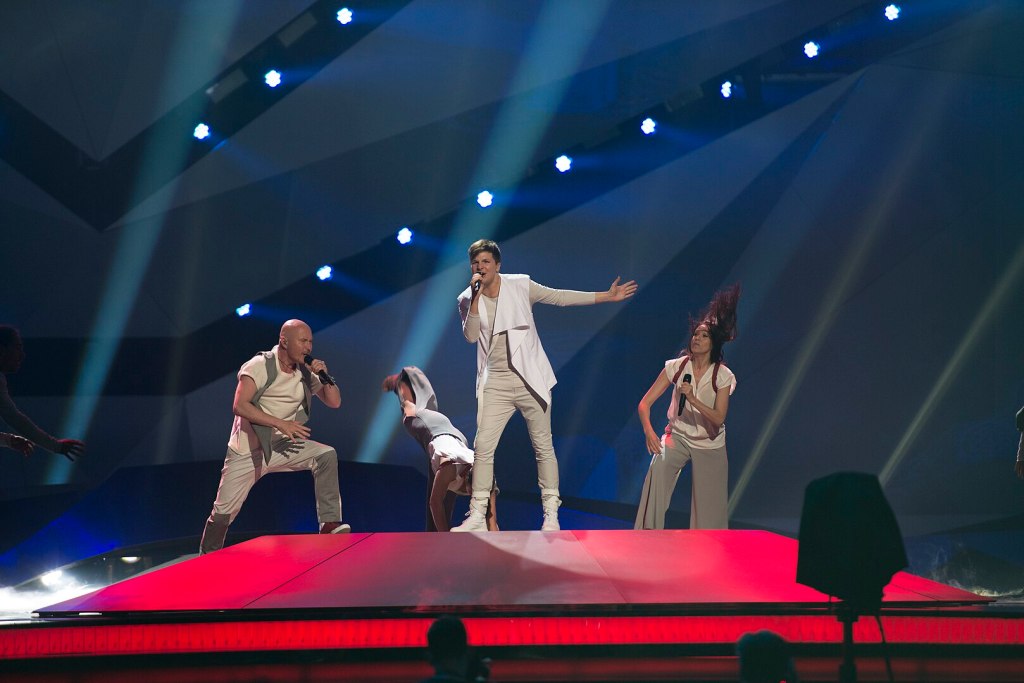
Deb had his first song in Melfest in 2012, and it was at the final in Stockholm that year when he realised he wanted to work with Stjernberg. “Melodifestivalen is like a networking event. That’s where we met the publishers who work with Robin. I decided there that we had to work with him. I just asked if we could work with him and they didn’t say no,” he remembers. You only placed 14th at Sweden’s home contest in Malmö which was low given Sweden’s most recent Eurovision results, but it was hardly a travesty. “Any result as the host nation doesn’t matter. You always have the result from the previous year to rely on,” Stridh says.
Sanna Nielsen’s Melfest victory in 2014 was a payoff for all the years that she’d tried and failed in the past, but her achievement grew when she bagged Sweden a third place at Eurovision, behind the contest’s runaway favourites. “I don’t know anyone who isn’t proud of that,” Stridh says.
“We just sent it to lots of record labels and they all turned it down. They thought it wouldn’t stand out.”
Joy Deb
Sweden properly kicked on in 2015 with its second victory in just four contests. Måns Zelmerlöw always seemed destined to win Melfest after a third place in 2007 and a fourth place in 2009, but his route to the 2015 crown wasn’t straightforward. Heroes was written in a cabin in the woods in the summer of 2014 by The Family, a songwriting group that was made up by Joy Deb, his then wife Linnea Deb and Anton Hård af Segerstad. “We didn’t think about Måns when we wrote it. We just sent it to lots of record labels and they all turned it down. They thought it wouldn’t stand out,” Joy Deb remembers. But it did stand out. The Family persisted with the song and it eventually ended up in Zelmerlöw’s hands, and the rest is history. “When you have a good song, you have to believe in it,” Deb says.

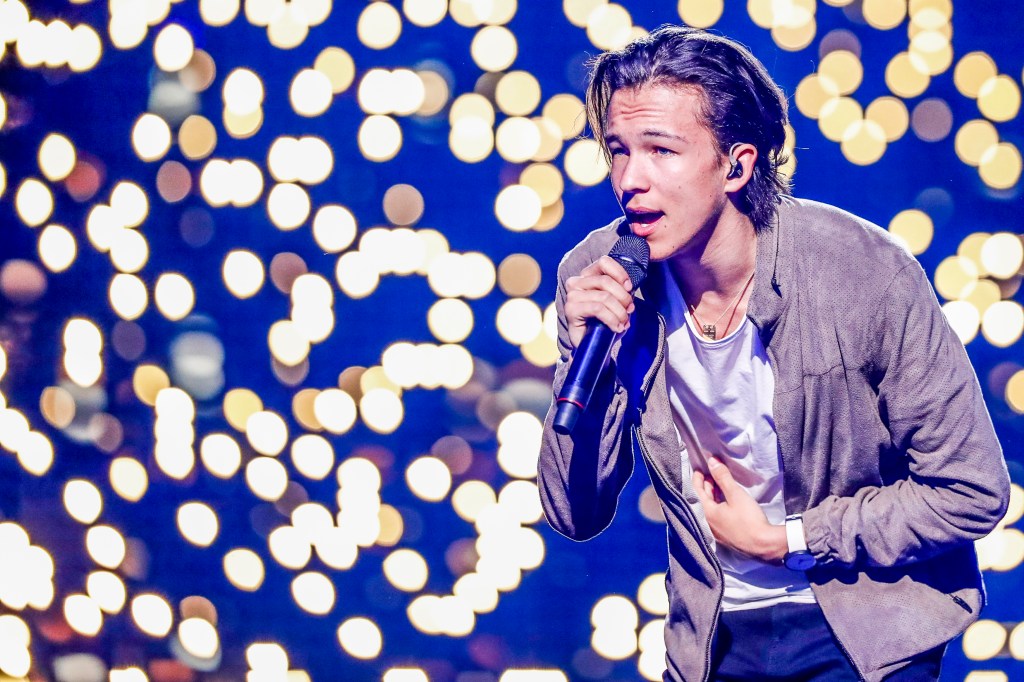
Despite placing comparatively poorly on home soil in 2013, the opposite was the case in 2016. Frans first found fame as a seven-year-old when he topped the Swedish charts with a song about Swedish footballer Zlatan Ibrahimović. After years away from the limelight, the then 17-year-old was Sweden’s sweetheart when he returned with If I Were Sorry. “That was 99% the person who won, and 1% the song that won,” Stridh believes. “He came back after years away with his scaled back little song, that’s just what Sweden wanted to send,” he adds. Frans’ song was so different to everything else in Melfest – and then Eurovision – in 2016, and that stood to help him. He placed fifth at Eurovision.
Robin Bengtsson, Benjamin Ingrosso and John Lundvik won the following three editions of Melfest and all three secured top 10 finishes for Sweden at Eurovision. The trio’s commonality is that they all won their respective editions of Melfest 12 months after making their debuts. It’s an interesting quirk, but not something that necessarily played a part in their national victories.
Bengtsson’s Melfest victory in 2017 was aided by the influential international juries. Televoters ranked him third, and it was a 20-point margin in the jury vote that managed to save him. There is no guarantee that if Nano or Wiktoria – those who were ranked higher in the televote – had gone to Eurovision, they would have done any better than Bengtsson’s fifth place.
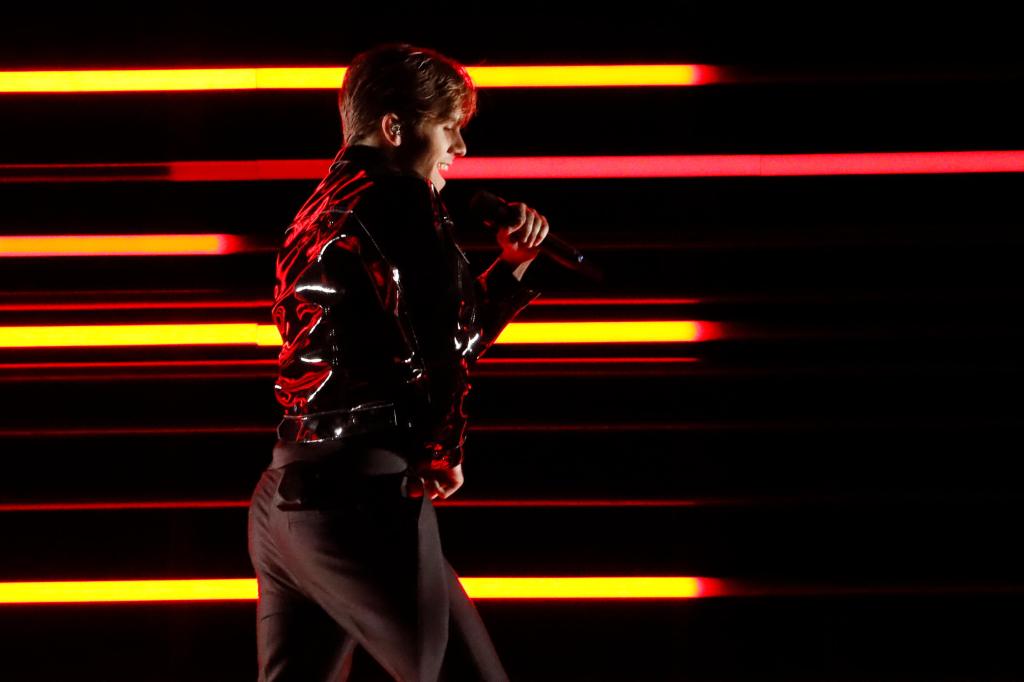
Ingrosso’s Eurovision experience in 2018 is particularly curious. He reached the Grand Final convincingly, but in that show his song Dance You Off was extremely polarising. Despite scoring just 21 points from televoters, he bagged 253 points from the juries and was ranked second by them too. It is the single biggest disparity ever in terms of points weighted in favour of juries in Eurovision’s history. “Benjamin’s performance was too much like a music video, and viewers across Europe simply didn’t like it,” Melodifestivalen commentator Bella Qvist believes.
Lundvik came fifth at Eurovision in 2019, Sweden’s third such placement in four years. Sweden gets the basics right at Eurovision which lends a hand in the country continuing to succeed. Stridh says that Lundvik singing “so well” was a contributing factor in what he achieved.
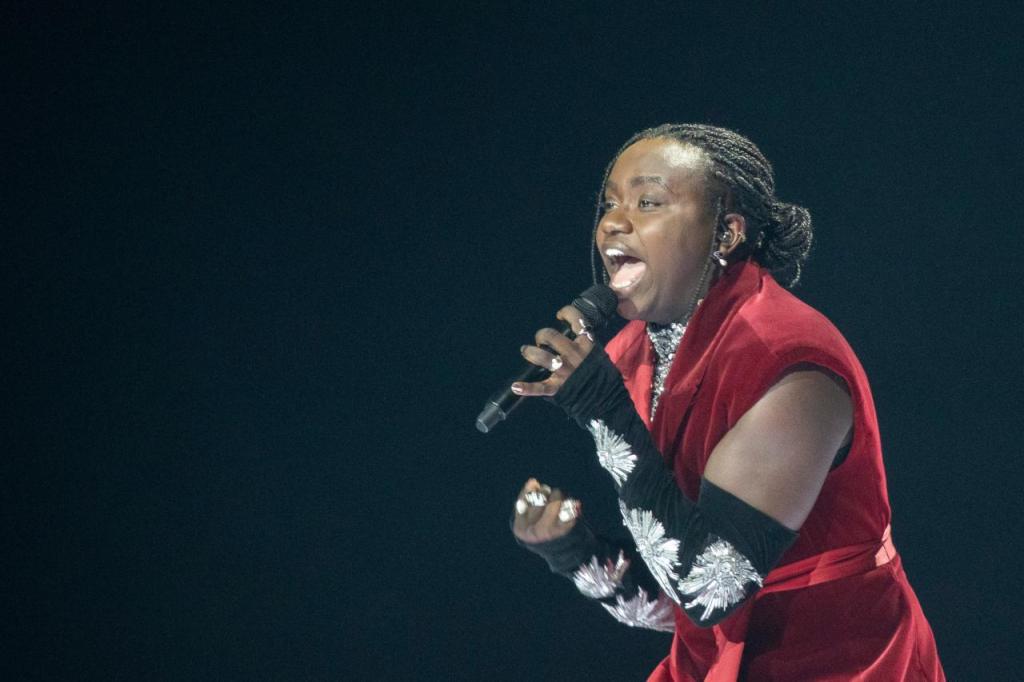
When Melfest took place behind closed doors in 2021 owing to the pandemic, competition newcomer Tusse dominated the show. The Congolese-Swedish refugee scored maximum points in the public vote, and was just 17 short of doing the same in the jury vote. “Sweden was so behind Tusse, the song and his story, so it was definitely the right song to send. It’s just about what that country wants to send, and there are a lot of factors that play into that decision,” Qvist believes.
“Maybe if he went to Eurovision, he would have got a better result than Tusse.”
Joy Deb
When it came to Eurovision, Tusse placed just 14th which was Sweden’s lowest Grand Final position since 2013. Joy Deb co-wrote Voices, but also had a songwriting credit on Eric Saade’s song Every Minute which came second in Melfest. “Eric’s performance was unique. It was just him in a room. It stood out. Maybe if he went to Eurovision, he would have got a better result than Tusse,” Deb admits.
For a country best known at Eurovision for being represented by slick, modern and well-produced pop music, Sweden’s contribution in 2022 was a change of gear. Written by first-time Melfest songwriters Isa Molin and David Zandén, Hold Me Closer by Cornelia Jakobs is unlike most other songs put forward to represent Sweden. “The selection process for Melfest songs is very centred around what record labels send. It’s very hard to break through that. Hold Me Closer is proof that it can be done,” Stridh believes. Qvist agrees: “When I first heard Hold Me Closer, I sat with my headphones on crying. To me, it stood out. It proves that we can do other things, but it also proves that if you have a really good song, you can win.”
Loreen’s second Eurovision triumph was never in doubt. She entered Melfest in 2023 with Tattoo, written by – among others – Thomas G:son and Peter Boström who were responsible for Euphoria in 2012. She crushed her competition in both the jury vote and televote at Melfest, and won Eurovision convincingly two months later. The star songwriting team of G:son, Boström, Jimmy “Joker” Thörnfeldt, Jimmy Jansson and Cazzi Opeia teamed with Loreen’s artistry, vocals and stage presence were always going to be an unstoppable force.

The credit Björkman and Stockselius both receive is undoubted and universal, but others involved in Sweden’s Eurovision rebirth often go without credit. Lotta Furebäck and Sacha Jean-Baptiste work largely behind the scenes during Melfest season as choreographers and creatives. Furebäck started as a dancer for Mendez in Melfest’s first modern-era edition in 2002, before stepping up to create the stage shows for countless entries throughout the 2000s and 2010s. Meanwhile, Jean-Baptiste began her Melfest career in 2011 creating Love Generation’s routine, before acting as a dancer for a number of contributions during the 2010s and ultimately becoming a producer in 2018 and 2019. “They have been instrumental in creating professional stage shows that are Eurovision-ready from the very first Melfest heat,” Stridh says.
Aside from Björkman, Stockselius, Jean-Baptiste and Furebäck, the other main contributors to the success of Melfest and Sweden at Eurovision are the songwriters. Names such as Thomas G:son, Linnea Deb, Joy Deb, Anderz Wrethov and Jimmy “Joker” Thörnfeldt appear in the competition on multiple contributions every year, and have done for more than a decade. Even before their appearances, other songwriters like Fredrik Kempe and Bobby Ljunggren were doing the same throughout the 2000s. Plus Åke Gerhard won four of the first five editions of Melfest as a songwriter.
These songwriters hardly have a total monopoly in Melfest, but their inclusion time and time again draws undue criticism from some fans. “You can’t be surprised that Lionel Messi won the Golden Boot in the Spanish league for many years. He wasn’t cheating. He was just good at it. Thomas G:son is just as good at what he does,” Dahlander says.
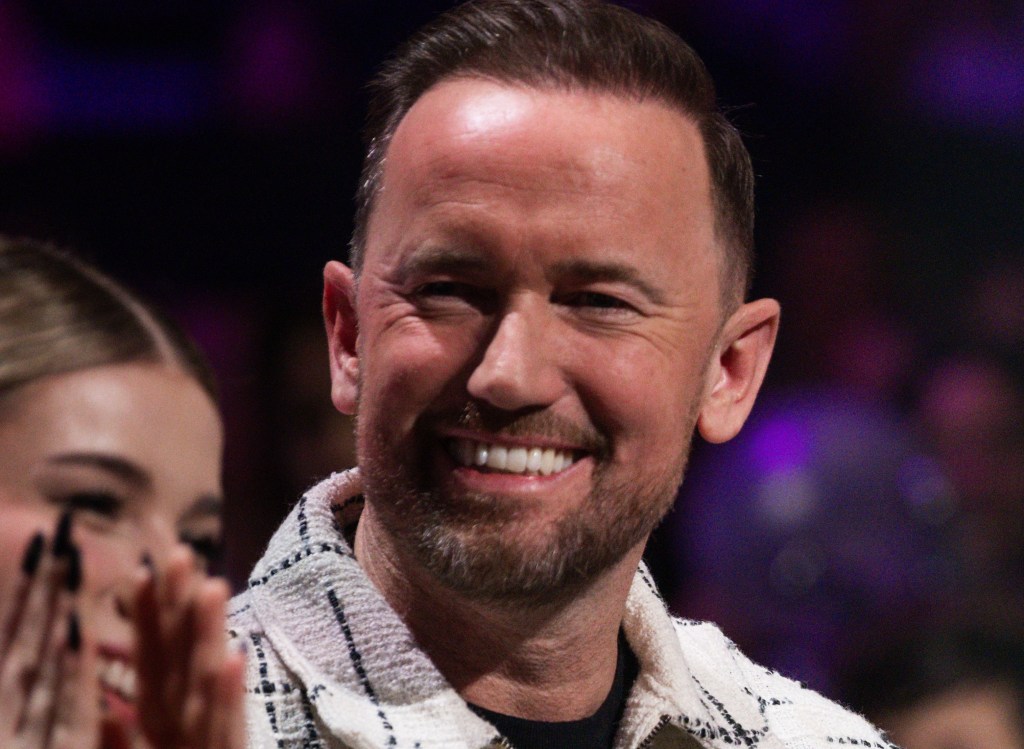
Anderz Wrethov first competed as a songwriter in 2006 as a wet behind the ears 26-year-old who, in his own words, “knew almost nothing about the competition”. His song didn’t make it out of the first heat, and it was when he saw Carola win Melfest that same year he knew he had to “reach her level”. Since then, he’s become the fourth most-credited Melfest songwriter with 38 entries, and has won the competition twice, with John Lundvik and Tusse. It’s the freedom that makes Wrethov keep coming back. “I like to write music in different genres, and in Melfest you can present whatever you like,” he says.
Joy Deb has had more than 30 contributions in Melfest history, and his songs have won on four different occasions. It comes down to this: success breeds success. “Artists put trust in us to write songs with them,” Deb says. If artists know they can score highly in the Swedish charts and place well in Melfest, they ought to be banging on the door of Deb and his contemporaries.
Melfest final audience figures have remained between 3.1 million and 4.2 million viewers over the last 20+ years, only dropping below 3 million for the first time in the modern era this year. With changing viewer habits when it comes to traditional linear television, it’s hardly a surprise that numbers did fall. Still, with 2.85 million viewers, the 2024 final was the most-watched programme on Swedish television that week. And it’s because of the huge audience numbers that Sweden’s musicians come flocking. “Big artists compete because of high viewing figures, not the other way round,” Dahlander says. Artists know they can secure hits by competing in Melfest, but it comes with a dual-factor risk. “Melfest is the best showcase for music in Sweden, but it’s also a risk. If you don’t do well, you get nothing,” Deb believes.
The other risk is that an artist competes in Melfest to get a hit, but could end up at Eurovision when they really don’t want to go. Danny Saucedo participated in 2021 to get a hit, and only made his song Dandi Dansa in 2020 because he was bored during the pandemic. Thankfully for him, he didn’t win.
“Salem Al Fakir was the big favourite to win in 2010, but he didn’t want to go to Eurovision. He took a comedian on stage with him to lower his risk,” Dahlander recalls. Indeed, Al Fakir gained huge momentum after winning his heat, so he hatched a plan with the show’s director Edward af Sillén. Björn Gustafsson – co-host of Melfest this year – appeared on stage to deliberately ruin the performance during the final by pretending to play piano and drinking from a coffee cup. Al Fakir’s plan for self-sabotage worked. He came second, but his song Keep On Walking still became a chart hit.
“We have to keep developing, and it’s up to us as songwriters. If we don’t, it will be hard for us to sustain that success.”
Anderz Wrethov
Sweden flies high in Eurovision with a certain brand of slick, polished and highly produced pop music. “People criticise Sweden for being formulaic, but we really like that sort of thing and it’s successful,” Qvist says. Swedes are widely considered some of the best exporters of pop music in the world, so it makes sense that music consumption and favourability is geared so heavily towards that brand of music. Wrethov believes that Swedish songwriters have nailed down the art of songwriting which gives them an advantage over those from other countries: “In Sweden, we write from our hearts. That’s the biggest problem with other countries; they try to write songs in certain ways.”
A decade and more of success is no guarantee that another period of dominance is to come. “Melodifestivalen is a great concept, but there’s a risk it could become stagnant,” Qvist says. The team behind Melfest – led by Karin Gunnarrsson – know the show must evolve, and are taking steps to make sure it does. “They’re working hard to keep the show diverse; even this year we’ve seen the introduction of epadunk,” Qvist adds. But the responsibility is shared. “We have to keep developing, and it’s up to us as songwriters. If we don’t, it will be hard for us to sustain that success,” Wrethov admits.
There is always a risk that success will dry up, but the people who are responsible for Melfest being a hit show and Sweden being a Eurovision powerhouse know they need to continue adapting. And adapting they are.
Click the image to read more from the Nordic Neighbours series
 About The Contest
One thought on “The Heroes of Our Time – Sweden’s Decade of Eurovision Dominance”